1913 — 1998
1913 — 1998
Ochenta y un años de servicio que transformaron a Chiriquí: del sueño presidencial al silencio de los rieles.
Eighty-one years of service that transformed Chiriquí: from a president's dream to the silence of the rails.
La idea de cruzar Chiriquí con un ferrocarril es mucho anterior a 1916. En 1852, el estadounidense Ambrose William Thompson, en representación de la Chiriquí Improvement Company, recibió una concesión por sesenta años para mejorar el camino entre David y la Laguna de Chiriquí. En 1893, Francisco María Calancha Guerra propuso un proyecto carretero que dejaba abierta la posibilidad de un «camino de hierro». Ese mismo año, el coronel estadounidense William Findlay Shunk realizó la primera medición del trazado para un Ferrocarril Panamericano que conectaría México con Argentina, recorriendo en 470 km el tramo de David a Panamá.
The idea of crossing Chiriquí by rail is far older than 1916. In 1852, the American Ambrose William Thompson, representing the Chiriquí Improvement Company, received a sixty-year concession to upgrade the road between David and the Chiriquí Lagoon. In 1893, Francisco María Calancha Guerra proposed a road project that left open the option of a "rail road." That same year, U.S. Colonel William Findlay Shunk ran the first survey for a Pan-American Railway that would link Mexico to Argentina, covering the 470-km David–Panama segment.
En 1901 el caficultor estadounidense John R. Thomas, instalado en Boquete, propuso al Consejo Municipal de David la construcción privada de un ferrocarril Boquete–Pedregal. Su contrato se firmó en 1903, pero nunca se ejecutó. Y en 1908, el segundo presidente de Panamá, José Domingo de Obaldía, gestionó con el gobierno de la Zona del Canal el proyecto de un ferrocarril Panamá–David. Ninguno de estos planes prosperó. La Ley 6 de 1909, primera legislación ferroviaria de la república, abrió la puerta para que, durante el primer mandato de Porras, se concretara un ferrocarril provincial.
In 1901 the American coffee planter John R. Thomas, settled in Boquete, proposed to the David Municipal Council a privately funded Boquete–Pedregal railway. His contract was signed in 1903, but it was never executed. And in 1908, Panama's second president, José Domingo de Obaldía, negotiated with the Canal Zone government for a Panama–David railway. None of these schemes came to fruition. The Law 6 of 1909, the republic's first railway legislation, opened the door for Porras, during his first administration, to make a provincial railway a reality.
A inicios del siglo XX, Chiriquí era una provincia rica en café, ganado y tierras fértiles, pero aislada del resto del país por los ríos, las montañas y la falta de caminos. El presidente Belisario Porras Barahona concebía el ferrocarril como una «obra de fomento» o «ferrocarril de penetración»: «estos ferrocarriles —sostenía— tienen que desarrollar primero la riqueza que luego van a transportar. Podrá ser una obra dispendiosa para el Estado, pero de inmensa ventaja para los intereses nacionales.»
At the dawn of the twentieth century, Chiriquí was a province rich in coffee, cattle, and fertile land, but cut off from the rest of the country by rivers, mountains, and the lack of roads. President Belisario Porras Barahona conceived the railway as "a development work" or "a penetration railway": "these railways" —he argued— "must first create the wealth they will then carry. It may be a costly undertaking for the State, but of immense advantage to the national interest."
La Ley 29 de 1913 autorizó el empréstito para la obra. Porras nombró a Eusebio A. Morales ministro plenipotenciario en Washington para negociarlo. La obra incluía no solo los rieles sino talleres, líneas telegráficas y telefónicas, locomotoras y vagones. La flota original sumó quince locomotoras, suficientes para mover el café que bajaba de Boquete y los productos agrícolas y manufacturas que entraban por el muelle de Pedregal.
The Law 29 of 1913 authorized the loan for the project. Porras named Eusebio A. Morales as plenipotentiary minister in Washington to negotiate it. The work included not only the rails but workshops, telegraph and telephone lines, locomotives, and rolling stock. The original fleet numbered fifteen locomotives, enough to move the coffee coming down from Boquete and the agricultural goods and manufactured products entering through the wharf at Pedregal.
El 3 de febrero de 1914 se firmó el contrato. Por el gobierno panameño firmó Ramón Acevedo; por la contratista, R. W. Hebard, en nombre de la R. W. Hebard & Co. Inc. El valor total se fijó en B/. 1.525.611,50, con un 5% de ganancia para el contratista. La compañía se comprometía a construir un ferrocarril desde el muelle de Pedregal, pasando por las cercanías de David hasta La Concepción, con un ramal por Dolega hasta Boquete. La pendiente máxima sería del 3 % en la línea de La Concepción y del 5,5 % en la de Boquete.
The contract was signed on 3 February 1914. The Panamanian government's signatory was Ramón Acevedo; on the contractor's side, R. W. Hebard, on behalf of R. W. Hebard & Co. Inc. The total cost was fixed at B/. 1,525,611.50, with a 5% profit margin for the contractor. The company agreed to build a railway from the Pedregal wharf, past the outskirts of David, to La Concepción, with a branch through Dolega up to Boquete. Maximum gradient was capped at 3% on the La Concepción line and 5.5% on the Boquete line.
El 4 de abril de 1914, el presidente Porras viajó a Chiriquí y, en presencia del cuerpo diplomático, incrustó el primer clavo de la vía en una ceremonia oficial. Las cuadrillas trabajarían sin descanso durante los siguientes dos años. Mucho del equipo procedía de los excedentes recién liberados de la obra del Canal de Panamá, lo que permitió reducir costos.
On 4 April 1914, President Porras travelled to Chiriquí and, before the diplomatic corps, drove the first spike in an official ceremony. Crews would work without pause for the next two years. Much of the equipment came from surplus stock newly released from the Panama Canal works, which helped contain costs.
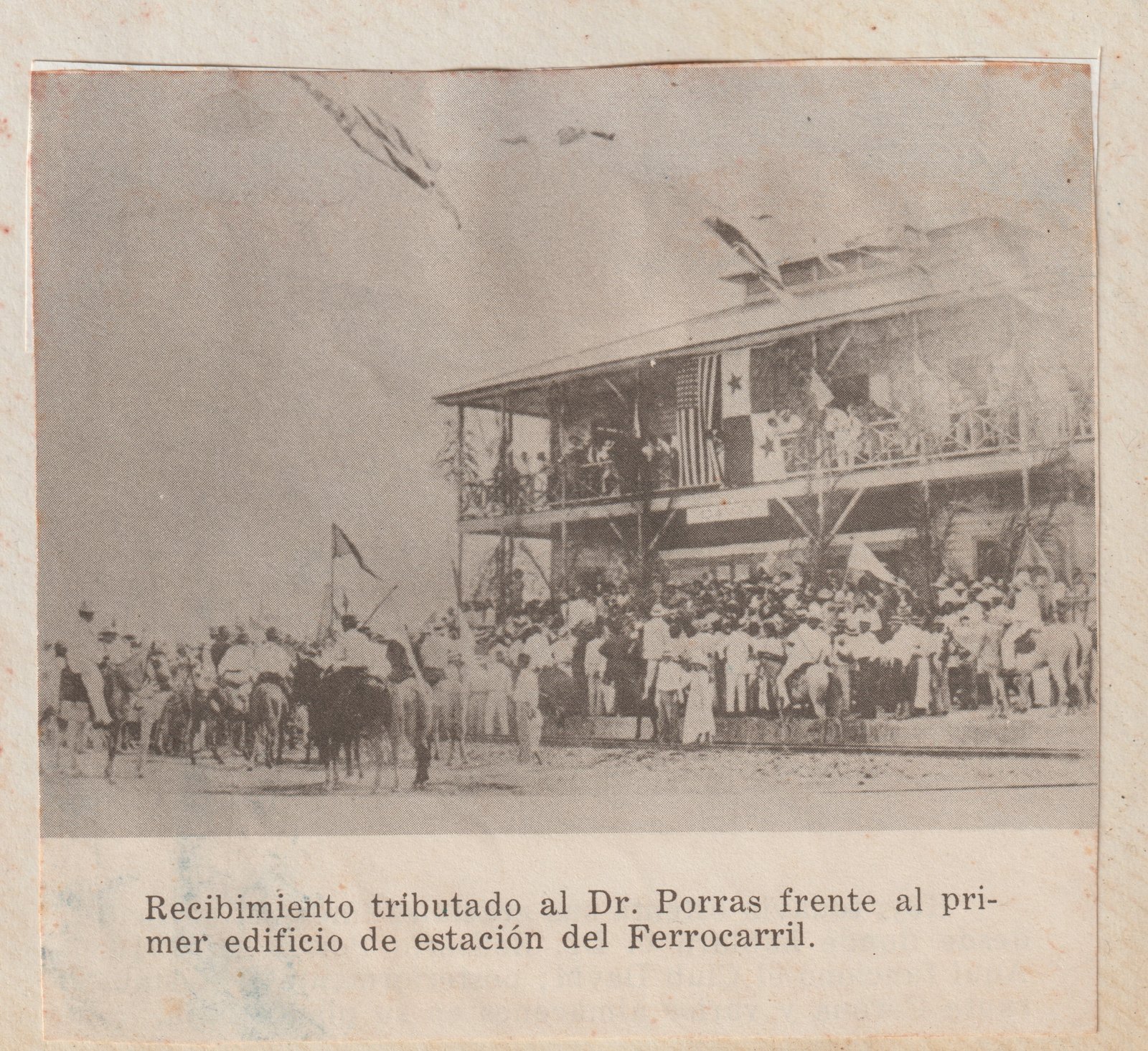
El día de la inauguración, una multitud se congregó en el primer edificio de la estación de David para recibir al presidente Porras. En su discurso, equiparó la obra con las hazañas mitológicas griegas y proclamó que el ferrocarril sería el motor del progreso de la provincia. El Decreto 14 del 29 de abril de 1916 encomendó la administración del ferrocarril a la propia compañía Hebard a partir del 1 de mayo. Aquel mismo año entraron en operación cuatro tramos:
On opening day, a crowd gathered in front of the first David station building to welcome President Porras. In his address, he compared the project to feats from Greek mythology and proclaimed that the railway would drive the province's progress. Decree 14 of 29 April 1916 entrusted the operation of the railway to the Hebard company itself starting 1 May. That same year four sections entered service:
El total inicial sumaba 92.517 kilómetros de vía y casi cincuenta paradas, apeaderos y estaciones a lo largo del tendido.
The initial total came to 92.517 kilometres of track and nearly fifty halts, stops, and stations along the line.
La extensión hasta Puerto Armuelles fue una idea acariciada por Porras desde su tercer mandato. La Ley 27 del 7 de noviembre de 1924 la autorizó formalmente. En 1926, los contratos N°58 y N°73 con Florencio Harmodio Arosemena, ejecutados por la firma estadounidense J. G. White Corporation Engineering, fijaron el costo en B/. 2.900.000,00. En 1927, la Chiriquí Land Company —subsidiaria de la United Fruit Company— firmó con el gobierno panameño una concesión de treinta años para desarrollar el cultivo del banano en el occidente de la provincia y obtuvo la habilitación de líneas auxiliares para la fruta.
The Puerto Armuelles extension was a long-cherished idea of Porras's third term. Law 27 of 7 November 1924 formally authorized it. In 1926, contracts N°58 and N°73 with Florencio Harmodio Arosemena, executed by the U.S. firm J. G. White Corporation Engineering, set the cost at B/. 2,900,000.00. In 1927, the Chiriquí Land Company —a United Fruit Company subsidiary— signed a thirty-year concession to develop banana cultivation in the west of the province and obtained authorization for auxiliary banana lines.
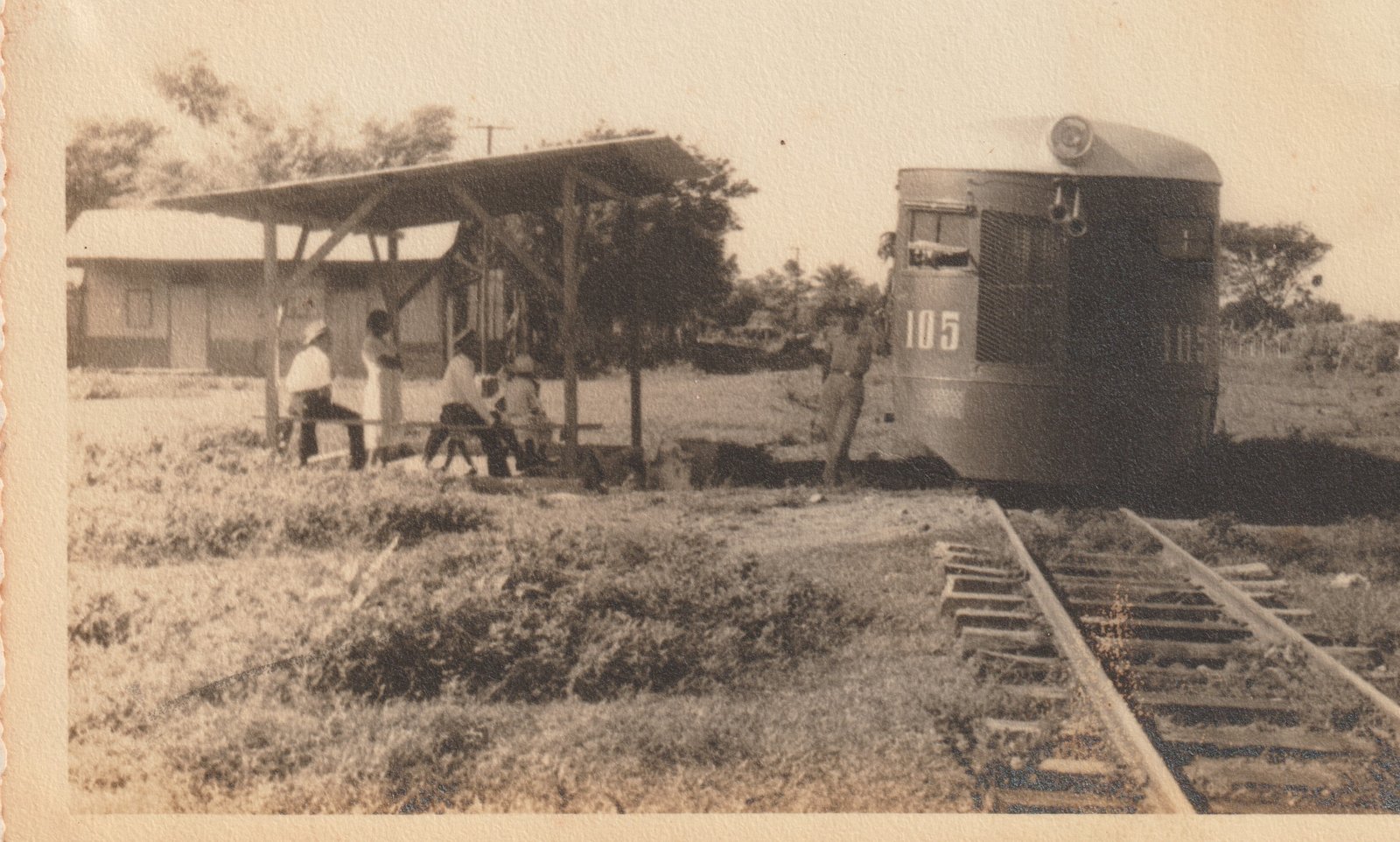
El presidente Rodolfo Chiari inauguró la nueva extensión a fines de la década, integrando definitivamente al ferrocarril nacional con la red bananera. En torno a las nuevas estaciones nacieron pueblos enteros: Progreso, La Estrella, Santa Marta, Santo Domingo. En el área bananera operaban además líneas auxiliares —incluyendo un tren-ambulancia y un servicio para trabajadores y estudiantes— que acabaron formando la red ferroviaria privada más extensa del país. Para la etapa de esplendor (1930–1950), el FNCH alcanzó 158 km de vía total y, hacia 1961, llegó a emplear 324 trabajadores, lo que lo convirtió en el mayor empleador de la provincia.
President Rodolfo Chiari inaugurated the new extension at the close of the decade, fully integrating the national railway with the banana network. Whole towns grew up around the new stations: Progreso, La Estrella, Santa Marta, Santo Domingo. The banana zone also operated auxiliary lines —including a hospital train and a service for workers and students— which together formed the country's largest private rail network. By the splendor era (1930–1950), the FNCH reached 158 km of total track, and by 1961 it employed 324 workers, making it the province's largest employer.
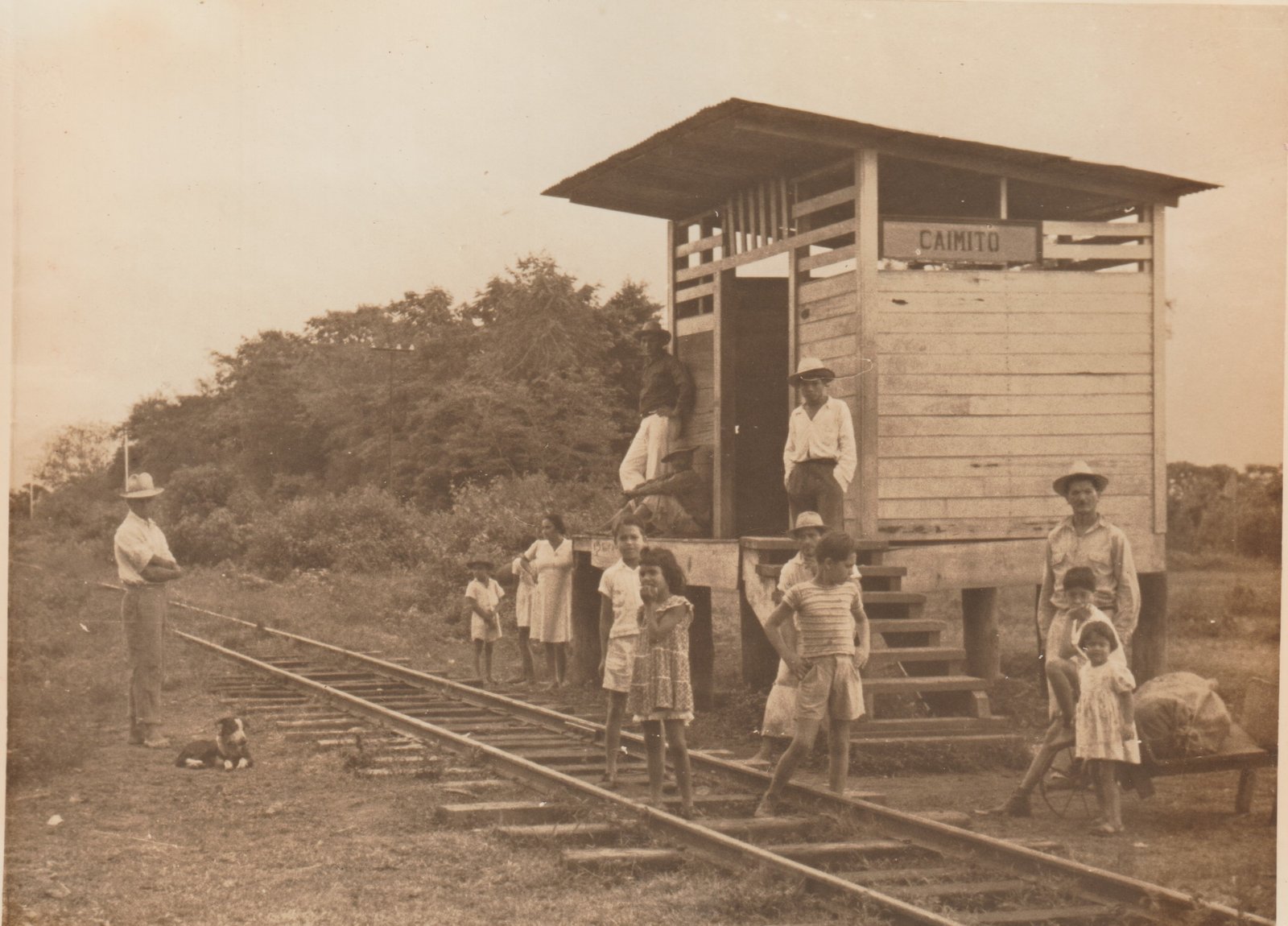
Durante medio siglo, el ferrocarril fue el principal medio de transporte de la provincia. Llevaba a los niños a la escuela, a los enfermos al hospital, a los caficultores boqueteños al puerto, a los productores chiricanos al mercado de David. Las estaciones se convirtieron en plazas: lugares de encuentro, comercio y noticias. La vida en Chiriquí, durante buena parte del siglo XX, se organizó en torno a los horarios del tren.
For half a century, the railway was the province's principal mode of transport. It carried children to school, the sick to hospital, Boquete coffee growers to port, Chiriquí farmers to the David market. The stations became squares: places of meeting, commerce, and news. Life in Chiriquí, throughout much of the twentieth century, was organized around the train schedule.
Desde la década de 1970, el avance de la Carretera Interamericana y la apertura del tramo que conectaba Puerto Armuelles con Paso Canoas comenzaron a desplazar al tren. Los autobuses, los camiones y los autos particulares ofrecían rutas más flexibles y horarios más amplios. El mantenimiento de la vía se hizo cada vez más oneroso y el servicio fue recortándose.
From the 1970s on, the advance of the Pan-American Highway and the opening of the link between Puerto Armuelles and Paso Canoas began to push the train aside. Buses, trucks, and private cars offered more flexible routes and broader schedules. Track maintenance grew ever more costly and service was steadily cut back.
En 1969, recién instaurado el gobierno revolucionario, el nuevo superintendente José Segovia intentó relanzar la empresa. Pero, en abril de ese mismo año, el Ministerio de Planificación y Política Económica encargó un estudio que dictaminaría el destino del ferrocarril. La empresa reportaba pérdidas anuales promedio de B/. 50.000 desde 1962, y de B/. 87.000 en 1968. El informe recomendó el desmantelamiento paulatino de la vía a partir de finales de 1971, dado que solo se justificaba el servicio a las fincas bananeras entre Progreso y Puerto Armuelles —apenas 22 km— y que esa carga podía ser transportada por camiones.
In 1969, just after the revolutionary government took office, the new superintendent José Segovia tried to relaunch the company. But that same April, the Ministry of Planning and Economic Policy commissioned a study to decide the railway's fate. The company had been reporting average annual losses of B/. 50,000 since 1962, rising to B/. 87,000 in 1968. The report recommended gradual dismantlement of the line beginning at the end of 1971, since only the service to the banana farms between Progreso and Puerto Armuelles —barely 22 km— remained justified, and that traffic could be carried by truck.
Entre 1988 y 1997 el ferrocarril operó solo entre Puerto Armuelles y Progreso, llevando pasajeros y carga ligera. En 1997 cesaron formalmente las operaciones del Ferrocarril Nacional de Chiriquí. Para 1998, los rieles guardaban silencio definitivo. Hoy, los pocos vestigios materiales —algunas estaciones reconvertidas, tramos de vía cubiertos por la maleza, una locomotora monumento en David— sobreviven como testimonio de aquella obra.
Between 1988 and 1997 the railway ran only between Puerto Armuelles and Progreso, carrying passengers and light freight. Operations of the Chiriquí National Railway formally ceased in 1997. By 1998 the rails fell definitively silent. Today, the few surviving material remains —repurposed stations, overgrown stretches of track, a monument locomotive in David— stand as witnesses to that work.
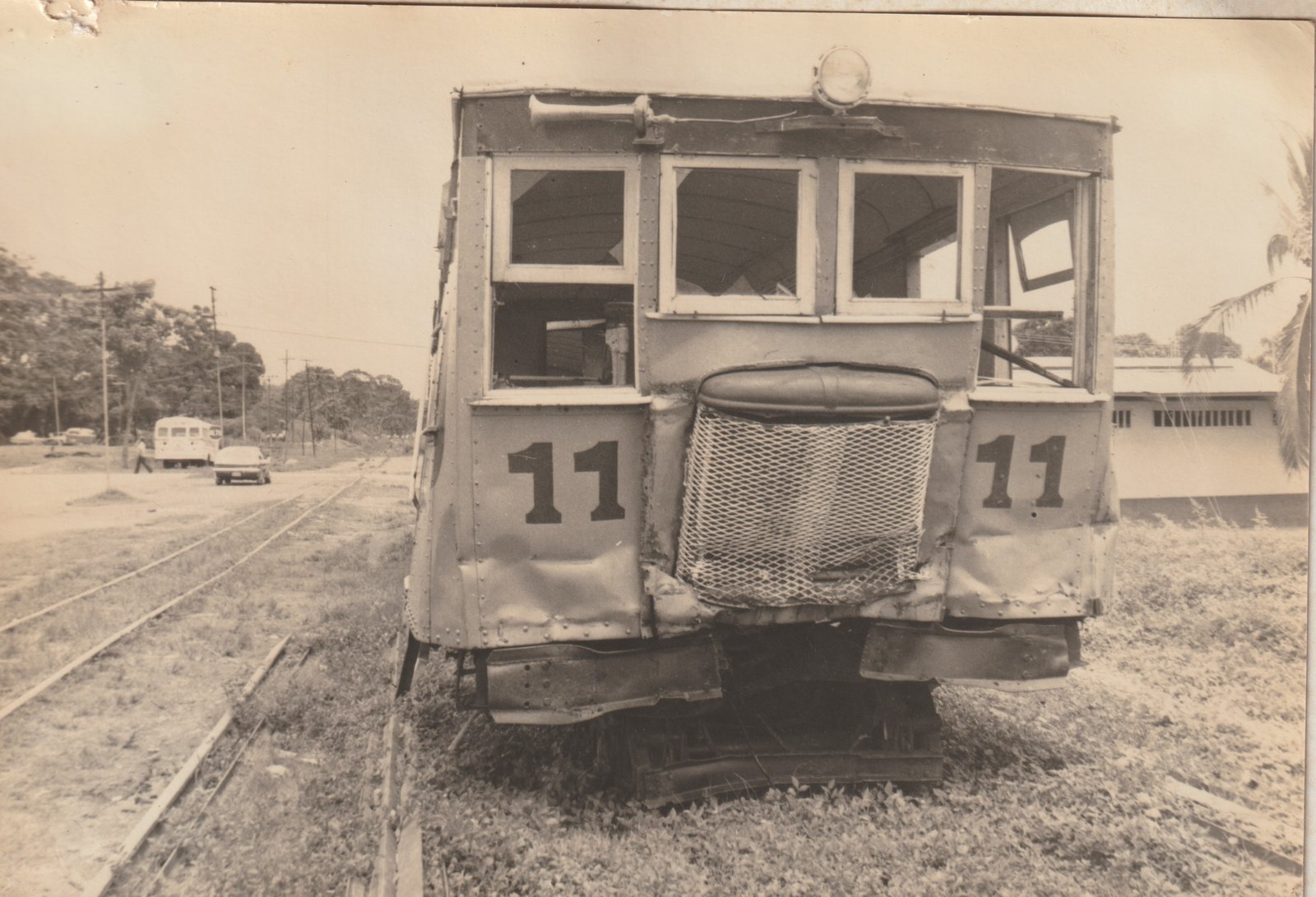
El Ferrocarril Nacional de Chiriquí dejó de circular, pero el mapa que dibujó sigue intacto. Casi todos los pueblos del occidente chiricano —David, Bugaba, La Concepción, Dolega, Potrerillos, Boquete, Alanje, Progreso, Puerto Armuelles— deben su forma actual a las estaciones que un día abrieron sus puertas. Sus calles, sus plazas y muchos de sus edificios públicos aún conservan la huella del tren. Esta huella es la memoria que estas páginas buscan preservar.
The Chiriquí National Railway no longer runs, but the map it drew remains intact. Nearly every town in western Chiriquí —David, Bugaba, La Concepción, Dolega, Potrerillos, Boquete, Alanje, Progreso, Puerto Armuelles— owes its current form to the stations that once opened their doors. Their streets, plazas, and many public buildings still bear the trace of the train. That trace is the memory these pages seek to preserve.
Ver cronología completa →See full timeline → Abrir el mapaOpen the map